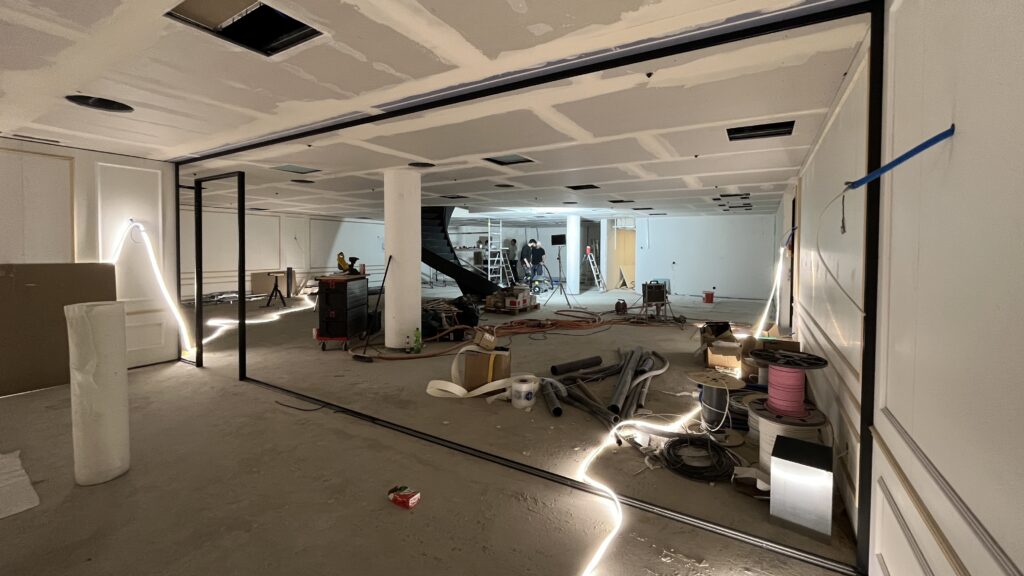
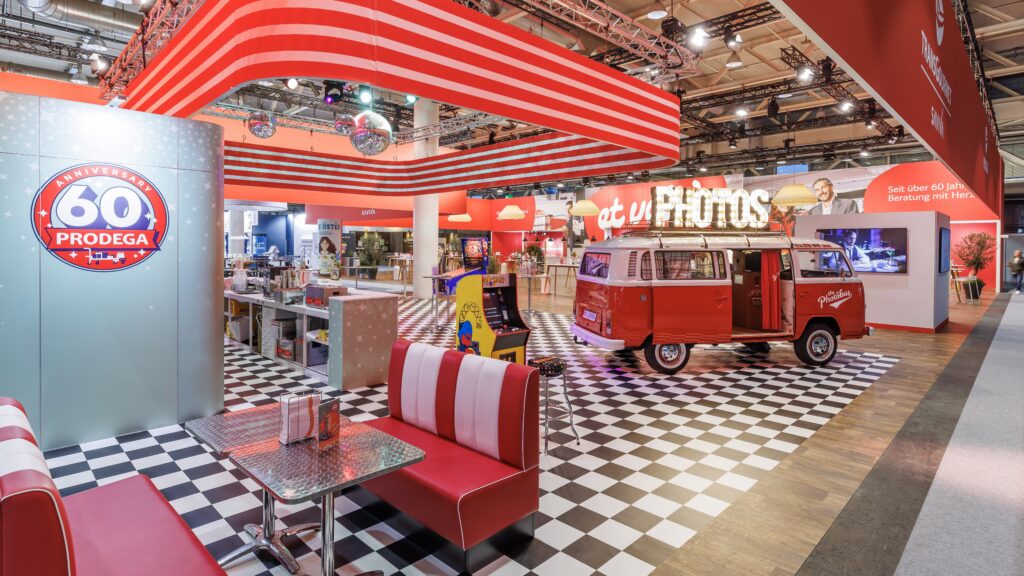
Image: Vitra - University of Bern / Baker Bakery
How interior design is changing in the wake of sustainability.
1. circular economy meets circular architecture: our aspiration as apioneer
Sustainability is more than just a trend - it has become a necessity. As a responsible planning office, we see a key role in actively shaping change, particularly in the field of interior design. It is not enough to react to existing solutions - we think holistically and with foresight. Our aim is to consistently translate the principles of the circular economy into interior design. We call itCircular Architecture.
In practice, this means that we rely on durable, repairable materials, renewable raw materials and recycled products without compromising on the functionality, design or identity of the rooms. We take into account the ecological, economic and social impact of our design concepts throughout the entire life cycle. Our aim is to create spaces that are not only aesthetically pleasing and functional, but also make a measurable contribution to conserving resources.
Through targeted material selection, innovative planning processes and transparent communication with our partners and customers, we design projects that show that sustainability and economic success are not a contradiction in terms - but can inspire each other.
2. Between identity and material availability: the creative balancing act
A central area of tension in our work lies in the connection between design identity and the actual availability of sustainable materials. The challenge: the character of a space, its DNA, its look and feel - all of this is created in direct interaction with the users. Spaces should be tangible, convey emotions and reflect brand values. At the same time, the circular economy requires us as an architecture firm to work with existing resources, such as furniture and materials from the second-hand market or recycled building materials.
But instead of seeing this as a limitation, we see it as a creative drive. Our interior designers have the necessary expertise to create something new from what already exists. With a trained eye for composition, spatial effect and material harmony, we succeed in making strong design statements even with seemingly limited means. The result is a new understanding of aesthetics - characterized by authenticity, value and sustainability.
This creative balance between reuse and individual identity creation requires a deep understanding of usage needs, brand messages and spatial impact. This is exactly where we come in: with empathy, know-how and high design standards.
3. Thinking sustainability economically: Interior design as a win-win model
A common reservation about sustainable interior design is the supposedly higher cost or concern about economic disadvantages. However, our experience shows the opposite:Circular design offers enormous economic potential.Through the targeted use of second-hand furniture, the refurbishment of existing elements and the selection of durable materials, investments can be sustainably reduced. At the same time, companies benefit from a stronger image, increased employee satisfaction and the responsible use of resources.
We see interior design as a strategic instrument. Our projects are not just spaces, but investments in future viability and brand profile. Companies that rely on sustainable interior concepts position themselves as attractive employers and responsible market players - and increase their economic success in the long term.
Our strength lies in developing holistic solutions that harmonize ecological, social and economic aspects. With sound training, technical expertise and design excellence, we support our customers from the initial concept to final implementation - in a spirit of partnership, transparency and a forward-looking approach.
Conclusion:
As an interior design firm with a pioneering spirit and vision, we are shaping the future of commercial interior design.Circular architectureis not a compromise for us, but an attitude. We show that sustainable spaces are not only possible, but also pioneering - ecologically, economically and in terms of design.