Making the brand tangible

Picture: Frey & Frey AG


Making the brand tangible - interior design that brings identity to life


Why your brand should not only be seen, but experienced

A brand is much more than a logo, a slogan or a color scheme. It lives from emotions, stories and values. But these values remain abstract as long as they cannot be seen and experienced. This is exactly where spaces come in: They translate the DNA of a brand into architecture, design and atmosphere - and thus make it tangible.

Anyone entering your business premises, walking past your trade fair stand or attending your event should be able to grasp what your brand stands for in a fraction of a second. A consistently well thought-out spatial concept strengthens recognition, conveys security and builds trust - and does so sustainably, long after the first impression has been made.


How spaces make brand values visible

Rooms are silent ambassadors. Without words, they convey attitude, aspirations and identity. Properly designed, they act like a three-dimensional business card:

  • Corporate interior: Offices and working environments reflect corporate culture and promote employee identification. A modern, open office, for example, stands for transparency and a spirit of innovation.
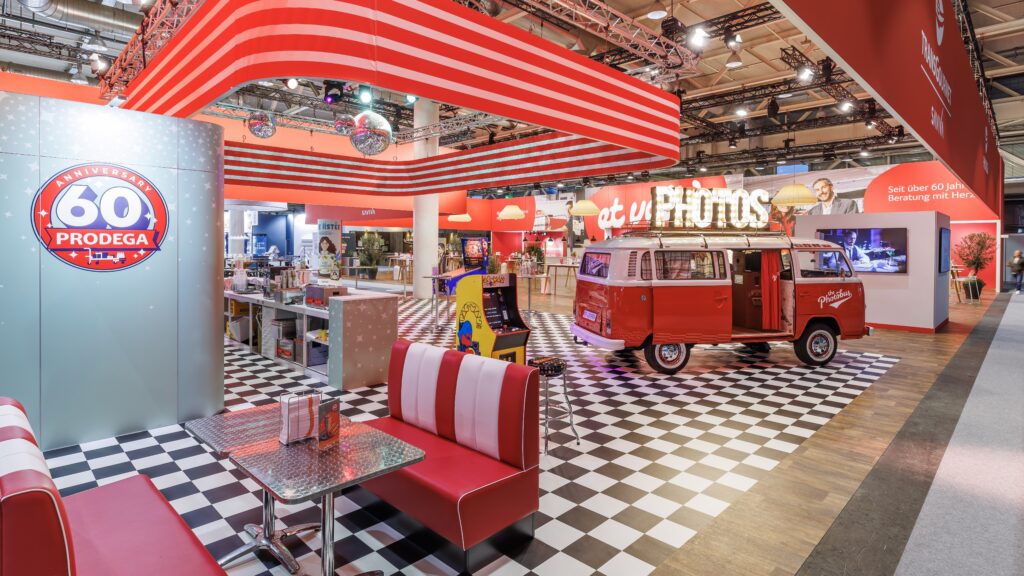
  • Trade fair appearances: stands become brand stages that stage messages to the point. Those who arouse emotions here will be remembered - and increase the chance of making valuable contacts.
  • Events: Events are ideal platforms for staging brands holistically. From the furnishings and lighting design to the acoustics - every detail tells a story.


Example from practice

For an industrial client, we translated the brand values of transparency, precision and reliability into interior design. Clear lines, glass walls and the targeted use of daylight created an environment that signals openness and creates trust. Complemented by warm wooden elements, a balance of clarity and well-being was created.

The result: visitors not only felt welcome, but also intuitively understood what the brand stands for - even before a single conversation was held.


Checklist: 7 elements for brand-strong rooms

To ensure that your rooms also convey the DNA of your brand, it is worth checking these points:

  1. Color system & materials - Are your corporate colors and matching materials used consistently?
  2. Brand architecture - Are there central points (e.g. brand walls, entrance areas) where your brand is visible?
  3. Light & atmosphere - Does the lighting design support the desired brand mood - dynamic, trusting or exclusive, for example?
  4. Haptics & senses - Do surfaces, textures and materials reflect the feel of your brand?
  5. Scenography & visual guidance - Are there specific staging points that guide visitors through the space and tell your story?
  6. Interaction & experience - Can visitors actively interact with the brand - e.g. through digital elements, hands-on stations or multi-sensory impressions?
  7. Consistency across all channels - Does the spatial appearance match your visual appearance online, offline and in print?


Conclusion

Brands are successful when they are consistent, authentic and can be experienced emotionally. Spaces play a key role in this. They translate brand values into atmosphere - and anchor them deeply in the memory of customers, partners and employees.

Daniel Schrepfer.

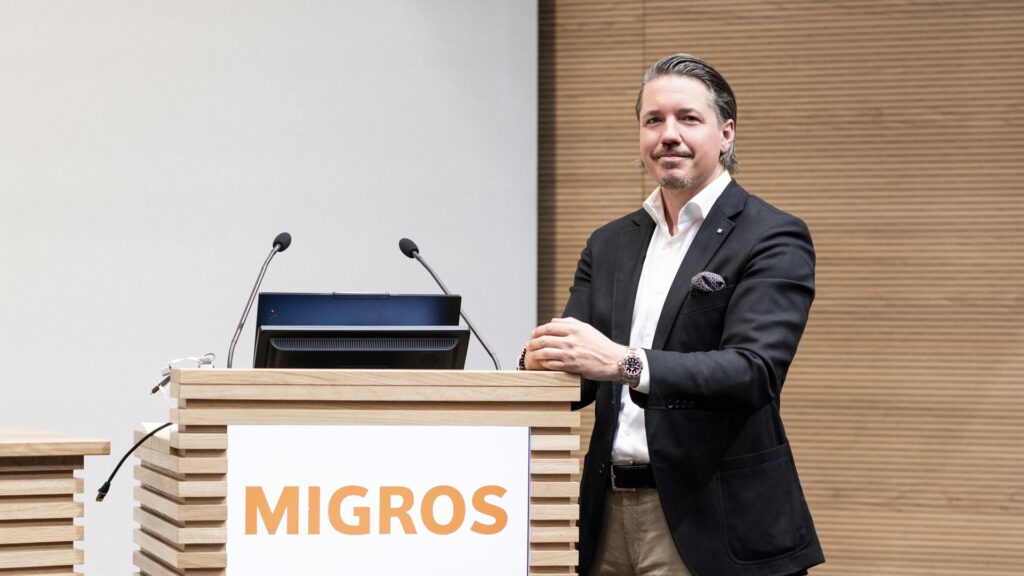
In this interview, Daniel Schrepfer explores the tensions within the real estate world: How do spaces create identity without losing their functional neutrality? And what role do people play in this? His answers make it clear that successful projects go far beyond planning and implementation.

Martin Zuan.

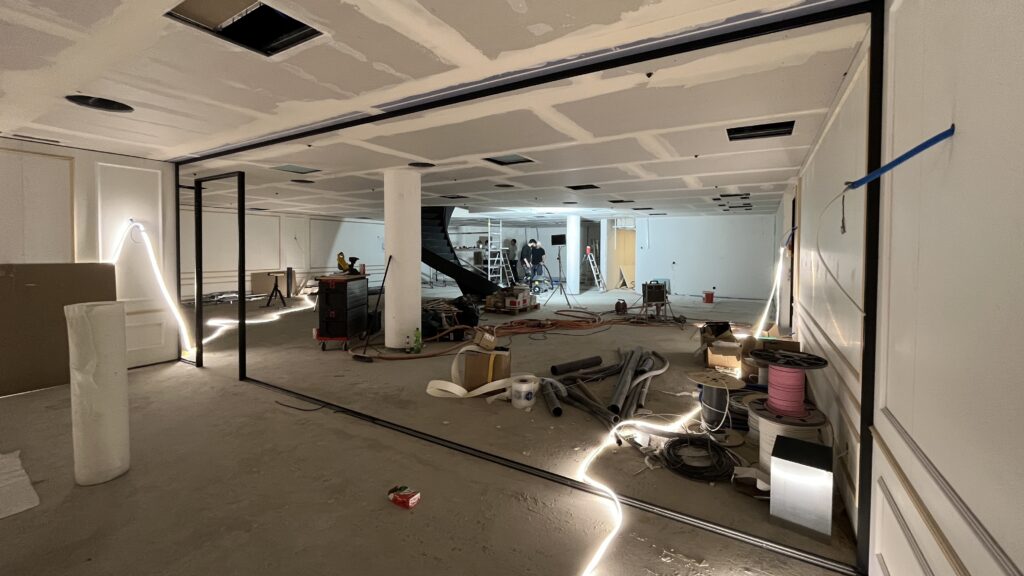
Something special has been created at Stockerstrasse 64 in Zurich: the wineBANK Zurich. An exclusive members-only club for wine lovers, collectors, and people with an appreciation for extraordinary places. Owner Martin Zuan has brought his vision to life, seamlessly blending a wine cellar, bar, lounge, and private club atmosphere across approximately 1,000 m². In this interview, he explains how the project came about, what drives him, and why, in the end, good interior design isn’t a matter of budget but of attitude.

Interior Design FAQ

Interior design thrives on creativity. But there are many steps between the initial sketch and the finished space: permitting processes, fire safety requirements, labor laws, accessibility standards, acoustic standards, and the question of who ultimately bears responsibility. We answer ten relevant questions that clients ask us before a project begins. We highlight where the most common pitfalls lie.
Transgourmet - IGEHO - Trade Show Booth Design by Frey & Frey AG
Focus

Exhibition Stand Construction & Events FAQ

Image: Frey & Frey AG Trade Show Construction & Events: Between the Stage, the Budget, and Permits A successful trade show or event presence begins long before the first visitor arrives. The concept, design, production, technology, logistics, and the on-site team must all work together seamlessly. Between the initial idea and the final handshake lie budget decisions, sustainability issues, safety requirements, setup logistics, and a team that brings the whole thing to life in just a few days. We answer the ten questions that marketing and communications managers ask us most frequently before a project begins. And we

LEARN MORE
Change—A Disruptive Force
Focus

Change – a disruptive force

Image: Frey & Frey AG Why Change Requires an Inner Mindset and How Organizations Can Put This Into Practice In a nutshell: Successful transformation doesn’t start with tools or processes, but with the question: Why are we changing in the first place? This article shows how organizations can shape change as a deliberate process rather than passively experiencing it. What Change Really Means in Companies Change doesn’t begin when new software is introduced. It begins when a team stops taking existing habits for granted. The crucial question

LEARN MORE
Thies Brüsehoff
Insights

Thies Brüsehoff.

What’s your superpower? Staying focused, even when things get hectic. What’s your favorite city and why? Hamburg. Because the vibe there matches my Nordic temperament. The city and the people seem cool on the surface, but they’re warm, open, and versatile. The city is cosmopolitan, yet down-to-earth and approachable. What’s one thing you absolutely can’t leave out of your luggage for your next vacation? Binoculars, a pocket knife, and a rain jacket. What’s been your personal highlight since you started working at Frey und Frey? Experiencing and being a part of,

LEARN MORE

Let's get started.