Picture: Frey & Frey AG
Exhibition Design & Events: Balancing the Stage, Budget, and Permits
A successful trade show or event presence begins long before the first visitor arrives. The concept, design, production, technology, logistics, and the on-site team must all work together seamlessly. Between the initial idea and the final handshake lie budget decisions, sustainability considerations, safety requirements, setup logistics, and a team that brings the whole thing to life in just a few days. We answer the ten questions that marketing and communications managers ask us most frequently before a project begins. And we show where the groundwork for an effective presentation is laid.
1. How much does a trade show booth cost in Switzerland?
The honest answer is: It doesn't just depend on the booth floor space. Other key factors include the construction method, the finish quality, the booth height, the lighting, the audiovisual equipment, the furniture, the graphics, and the costs associated with transportation, setup, and takedown.
The following guidelines can serve as a rough estimate for booth construction—excluding the cost of renting the booth space and any additional fees charged by the event organizer:
- Basic system stand: approximately CHF 300 to 800 per m²
- Modular or hybrid trade show booth: approximately CHF 600 to 1,500 per m²
- Custom-built exhibition booth: approximately CHF 1,000 to 2,500 or more per square meter
For sound budget planning, in addition to booth construction, the cost of renting the booth space as well as organizer- and project-specific ancillary costs must be taken into account. These include, for example, electricity, water supply and drainage, internet, suspension points and the associated rigging work, booth cleaning and waste disposal, exhibitor badges, parking passes, and any necessary insurance.
Depending on the project, additional logistics services may be required, such as coordinating deliveries, using forklifts or lifting equipment, and storing empty containers during the trade show. This involves temporarily storing packaging, shipping crates, pallets, and construction materials that are not needed during the event and returning them to the booth once the trade show is over.
After the event, there may also be costs associated with transporting the booth back, dismantling it, and storing it until its next use. For international projects, customs formalities and the temporary importation of materials may also need to be taken into account.
2. How much lead time is needed for a professional trade show or event booth?
For a custom-designed trade show booth or event display, a lead time of six to nine months is ideal. For large, technically complex, or international projects, a planning horizon of nine to twelve months is advisable. A simple modular booth can often be set up within three to four months.
Shorter lead times are generally possible. However, they may limit your options in terms of materials and technology.
Starting early gives you time to develop a compelling concept, ensure thorough approvals, and organize production. It’s not just about the booth construction. Content, exhibits, presentations, communication strategies, and the on-site team’s responsibilities must also be prepared well in advance.
Good planning ensures that not only will the setup be ready on time, but that the entire event will run smoothly.
3. How sustainable can trade show booth construction realistically be today?
Sustainable trade show construction doesn't start with a single material, but with the question of what happens to the booth and its components after the event.
Reusable structures, modular elements, rented furniture and equipment, durable graphics, and planning that minimizes transportation distances and waste are particularly effective.
An exhibition booth that is discarded after a single use remains resource-intensive—even if individual materials are certified. Therefore, components should be designed and manufactured in such a way that they can be disassembled, stored, modified, and reused for future events.
This conserves resources while also improving cost-effectiveness. A well-planned booth doesn’t have to look exactly the same the second or third time it’s used as it did the first time. Its appearance can be refined in a targeted manner with new graphics, colors, furniture, or individual components.
This requires appropriate processes for dismantling, recycling, storage, and reuse. Sustainability in trade show construction therefore means, above all, planning ahead, reusing materials sensibly, and avoiding unnecessary material consumption.
4. Modular or Custom: Which Solution Fits the Brand and the Planned Story?
A modular trade show booth is particularly well-suited for companies that participate in trade shows or events several times a year, use booths of varying sizes, or want to present a consistent brand image at different locations.
Modular systems are flexible, easy to plan, and can be reused efficiently. Individual elements can be recombined, supplemented, or customized depending on the space.
A custom exhibition booth is the right choice when architecture, spatial impact, and presentation play a central role. Special products, machinery, presentation formats, or processes may also require a custom-built booth.
In many cases, a combination of elements proves particularly effective: a reusable base system, supplemented by custom-designed elements. This keeps costs and logistics under control without making the design appear generic.
Regardless of the design approach, the exhibition should tell a clear story. Spatial storytelling translates the brand, the core message, and the offering into a coherent experience. Design, lighting, graphics, exhibits, media, and visitor guidance all follow a common thread.
Visitors should intuitively understand what the company stands for, what it offers, and where a personal conversation can begin.
5. What role does logistics play at trade shows and events?
Logistics is a key component of every trade show and event project. Even the best design is of little use if components arrive too late, access times haven’t been reserved, or important materials are missing during setup.
Effective trade show logistics therefore begin as early as the planning stage. This includes clearly labeled components, coordinated loading schedules, reserved delivery times, coordination with the organizer, and the arrangement of the necessary lifting and transport equipment. Storage of empty containers must also be factored into the plan. Packaging, transport crates, pallets, and unused construction materials are often not allowed to remain at the booth during the trade show. They are therefore picked up, temporarily stored, and returned to the booth after the event ends.
After the event, it must also be clear which items are to be transported back, cleaned, repaired, adjusted, or stored until the next use.
6. Does an exhibition booth require a building permit?
A standard exhibition booth within an exhibition hall generally does not require a separate municipal building permit. However, this does not mean that construction may proceed without review or approval. Depending on the organizer and the booth design, plans, material specifications, fire safety certifications, structural calculations, or details regarding electrical installations and suspension systems may need to be submitted.
A preliminary technical review is particularly important in cases involving high ceilings, solid ceilings, heavy loads, two-story structures, or suspended elements. Escape routes, fire extinguishers, materials used, and the accessibility of technical equipment may also be part of the requirements.
For temporary structures located outside an exhibition grounds or on public property, additional permits from the municipality, the canton, or other relevant authorities may be required.
An experienced trade show booth builder is familiar with these processes, clarifies the requirements early on, and submits the necessary documents on time. This helps avoid delays, additional costs, and unpleasant surprises right before setup.
7. How do I measure the success of a trade show or event appearance?
The success of a trade show appearance is not determined solely by the number of visitors. What matters most is whether the appearance achieves the previously defined goals.
These can include meaningful conversations, specific inquiries, scheduled appointments, new sales opportunities, nurturing existing customer relationships, media coverage, or the successful launch of a new product.
Goals should be set before the trade show. It is equally important to have a simple and reliable system for recording contacts. The booth team must know what information to collect and how to follow up with contacts after the event.
Particularly promising leads should be followed up on in person within 24 to 48 hours, if possible. All other leads must also be handled promptly and in a traceable manner.
For larger events, anonymous visitor count and flow measurements can provide additional insights. For example, they show which entrances are used, which areas are particularly busy, where visitors spend more time, and where bottlenecks occur.
The results will help improve the planning of future exhibitions, particularly with regard to the placement of exhibits and the division of exhibition spaces. In doing so, measurement methods should be used that take data protection into account and, as far as possible, do not require the identification of individual persons.
After the event, it’s worth holding a joint debriefing with the marketing, sales, and project teams:
What goals were achieved? Where did the best conversations take place? Which messages were understood? Which areas of the booth were used most frequently? Where did the visitor flow work well? And what should be improved for the next event?
If you want to measure success, you need to determine—before the trade show even begins—which results are important and how they will be tracked.
8. What is the difference between a trade show booth, a pop-up space, and a roadshow format?
A trade show booth is set up at a trade show venue for a limited time. There, the company is directly compared with other exhibitors and must convey its message quickly, clearly, and understandably.
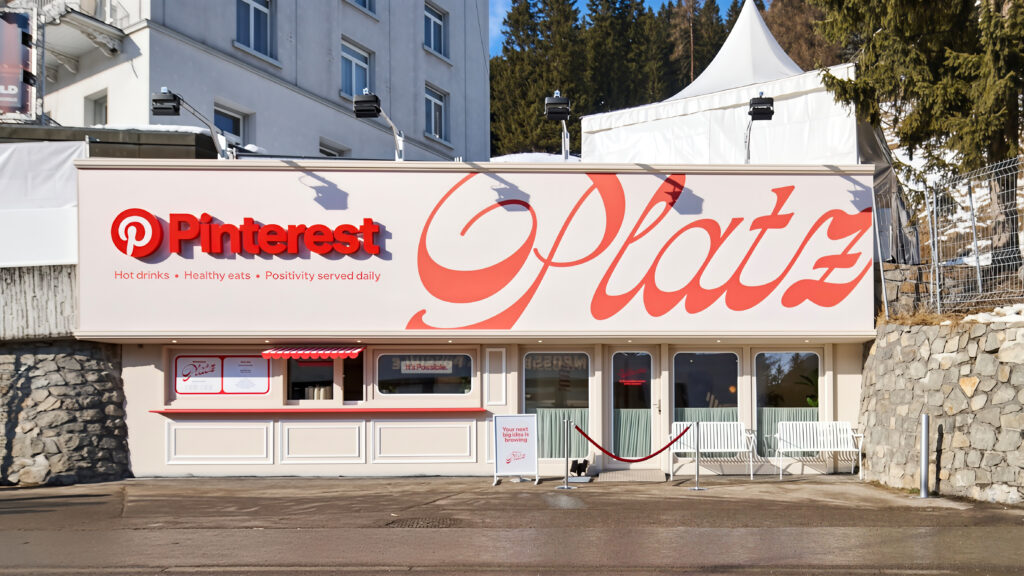
A pop-up is set up at a location of your choice—for example, in a shopping center, at a train station, or in a city center. This format is ideal for surprising people outside of a traditional trade show setting and allowing them to experience a brand firsthand.
A roadshow takes the same or a similar concept to multiple locations. This requires a setup that is recognizable, sturdy, easy to transport, and adaptable to different spaces.
An event appearance can be part of a conference, a customer event, a product launch, or a corporate event. In these settings, the focus is often on the staging, the quality of the experience, and the interplay between the venue, content, technology, and personal interaction.
The requirements vary depending on the format. At a trade show, standing out from the competition is particularly important. A pop-up must attract attention in an unfamiliar location. A roadshow requires reliable logistics and a setup that can be used efficiently time and again. An event presence must fit precisely into the flow and structure of the entire occasion.
The format that works best depends on the target audience, the purpose of the event, the desired duration, and the geographic reach. It’s often worth developing a basic concept in a way that allows it to be used for multiple formats later on.
9. How do trade show contacts turn into concrete sales opportunities?
A trade show appearance should not be a standalone project. Before the event, marketing and sales must work together to determine who they want to reach, what message will be the focus, and what visitors should do after the meeting. Communication begins even before the trade show: with personal invitations, newsletters, posts on LinkedIn, industry media, and meetings scheduled well in advance.
During the event, the booth team needs clearly defined roles: Who greets the visitors? Who handles technical discussions? Who presents the products? Who collects contact information? And who handles specific sales inquiries?
The space itself must also support these tasks. Easily accessible reception areas, clear lines of sight, clear messages, appropriate conversation zones, and reliable presentation technology make the team’s work easier. Contacts should not just be collected, but organized right at the booth. What are their interests? What needs were mentioned? How specific is the inquiry? Who will follow up on it?
After the trade show, speed is key. Contacts must be prioritized, approached personally, and followed up on in a transparent manner. Your presence at the event generates attention and builds trust. However, whether that leads to a sale is often determined by the quality of your preparation, your conversations, and your follow-up.
10. Why is it worth using a full-service provider for trade show and event appearances?
A trade show or event project involves many interrelated services: concept development, storytelling, design, planning, carpentry, signage, graphic design, media technology, transportation, setup, takedown, storage, and on-site support.
Anyone who awards each contract individually must coordinate numerous interfaces on their own. This takes time and increases the risk of misunderstandings, delays, and unexpected additional costs.
A full-service partner consolidates these tasks under the guidance of an experienced project manager acting as a general contractor. For the client, this means clearly defined responsibilities, coordinated deadlines, and a single point of contact who keeps track of the entire process.
The result is a website that not only looks good but also clearly communicates the brand, guides visitors effectively, functions well in practice, and can be further developed for future use.
Conclusion
A compelling trade show or event presence is not just a decorated space. It is a carefully crafted interplay of brand, architecture, storytelling, communication, sales, technology, and logistics.
It must attract attention, provide guidance, and facilitate meaningful conversations. At the same time, it must be safe, functional, completed on schedule, and cost-effective.
As a Swiss full-service partner, Frey & Frey AG supports companies from the initial concept through to the completed project. With over 40 years of experience, our own woodworking shop, in-house signage and graphics capabilities, and comprehensive project and logistics expertise, we create spatial brand experiences that resonate with people and help companies succeed.
Let's talk about your project.